



Timber Selection Guide: Treated vs Untreated Wood Explained

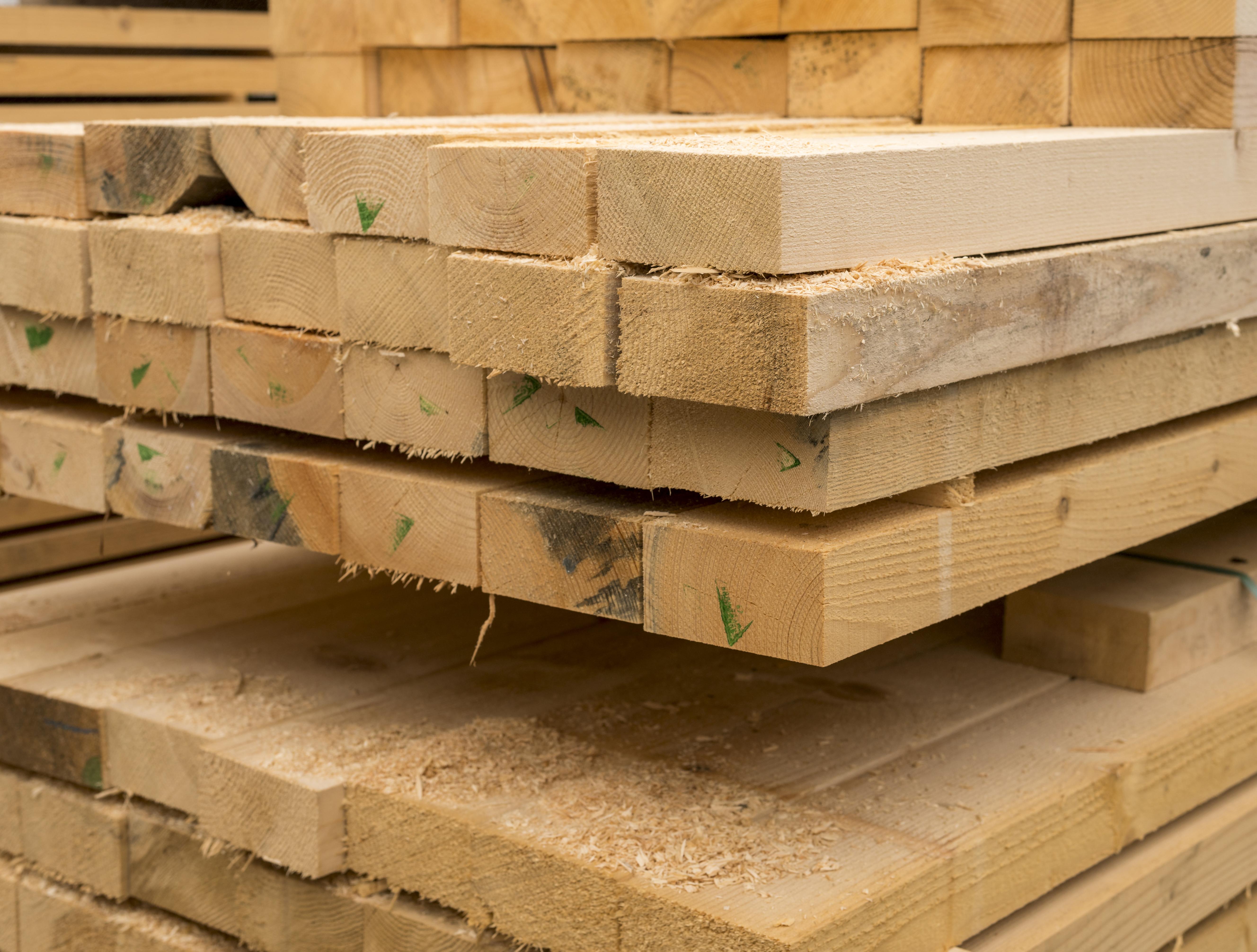
Choosing the correct timber is a key part of any successful building or landscaping project. Whether you're constructing decking, installing fencing, building garden structures, or working on structural frameworks, selecting the right type of timber ensures strength, durability, and long-term performance.
At George Hill Timber & Building Supplies, builders, joiners, landscapers and contractors can find a wide range of timber products suitable for projects of all sizes, including treated timber, structural carcassing timber and planed joinery timber.
Understanding the difference between treated and untreated wood is essential when selecting materials for construction and landscaping projects. Using the wrong type of timber in certain environments can lead to moisture damage, decay, or structural issues over time.
This guide explains the key differences between treated and untreated timber, when each should be used, and how structural grades such as C16 and C24 carcassing timber fit into the decision-making process.
Treated vs Untreated Timber: What’s the Difference?
Both treated and untreated timber play important roles in construction and joinery. The key difference lies in how the timber performs when exposed to moisture and environmental conditions.
|
Feature |
Treated Timber |
Untreated Timber |
|
Protection |
Pressure treated with preservatives |
Natural timber with no preservative treatment |
|
Durability |
Highly resistant to moisture, rot and insects |
More vulnerable to moisture and decay |
|
Best Use |
Outdoor projects and damp environments |
Internal construction and joinery |
|
Maintenance |
Lower maintenance required |
May require treatment before outdoor use |
|
Typical Applications |
Decking, fencing, posts, sleepers, outdoor structures |
Stud walls, joinery, mouldings, interior projects |
Because of its durability, treated timber is typically used for external construction, while untreated timber is better suited for interior environments where the wood remains dry.
Why Treated Timber Is Essential for Outdoor Projects
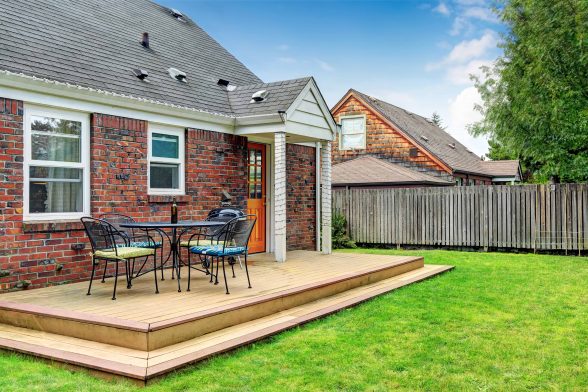
Timber used outdoors must withstand the UK climate, including prolonged rainfall, damp conditions and seasonal temperature changes. Without treatment, timber can absorb moisture quickly, which may lead to rot, swelling, warping or structural deterioration.
Treated timber undergoes a pressure treatment process, where preservatives are forced deep into the timber fibres. This treatment helps protect the wood against:
- Rot and fungal decay
- Moisture damage
- Insect attack
- Long-term weather exposure
Because of these protective qualities, treated timber is widely used across construction, landscaping and garden projects.
Common Projects That Require Treated Timber
Treated timber is commonly used for:
- Decking structures and decking boards
- Fence posts and fencing rails
- Garden sleepers and raised beds
- Pergolas and garden structures
- Landscaping projects
- External structural timber
For example, decking subframes and fencing posts are often built using treated carcassing timber, ensuring the structure remains durable even when exposed to damp conditions.
Using treated timber for outdoor applications provides long-term durability and reduced maintenance, making it a cost-effective solution for many building and landscaping projects.
On-Site Timber Treatment for Custom Orders
At George Hill Timber & Building Supplies, timber treatment isn’t limited to standard stock. We operate our own on-site timber treatment plant, which allows us to treat timber to order for specific project requirements.
This means builders, contractors and landscapers can have almost any timber treated for outdoor use, whether it’s structural carcassing timber, decking timber, posts, or other construction materials.
Having an on-site treatment facility allows us to:
- Treat timber quickly and efficiently
- Provide custom treatment for a wide range of timber sizes
- Ensure timber is protected against moisture, rot, insects and fungal decay
- Supply treated timber suitable for demanding outdoor environments
For projects where durability is essential, having timber treated to order ensures you get the right protection for the job.
Example: Untreated vs Treated Timber
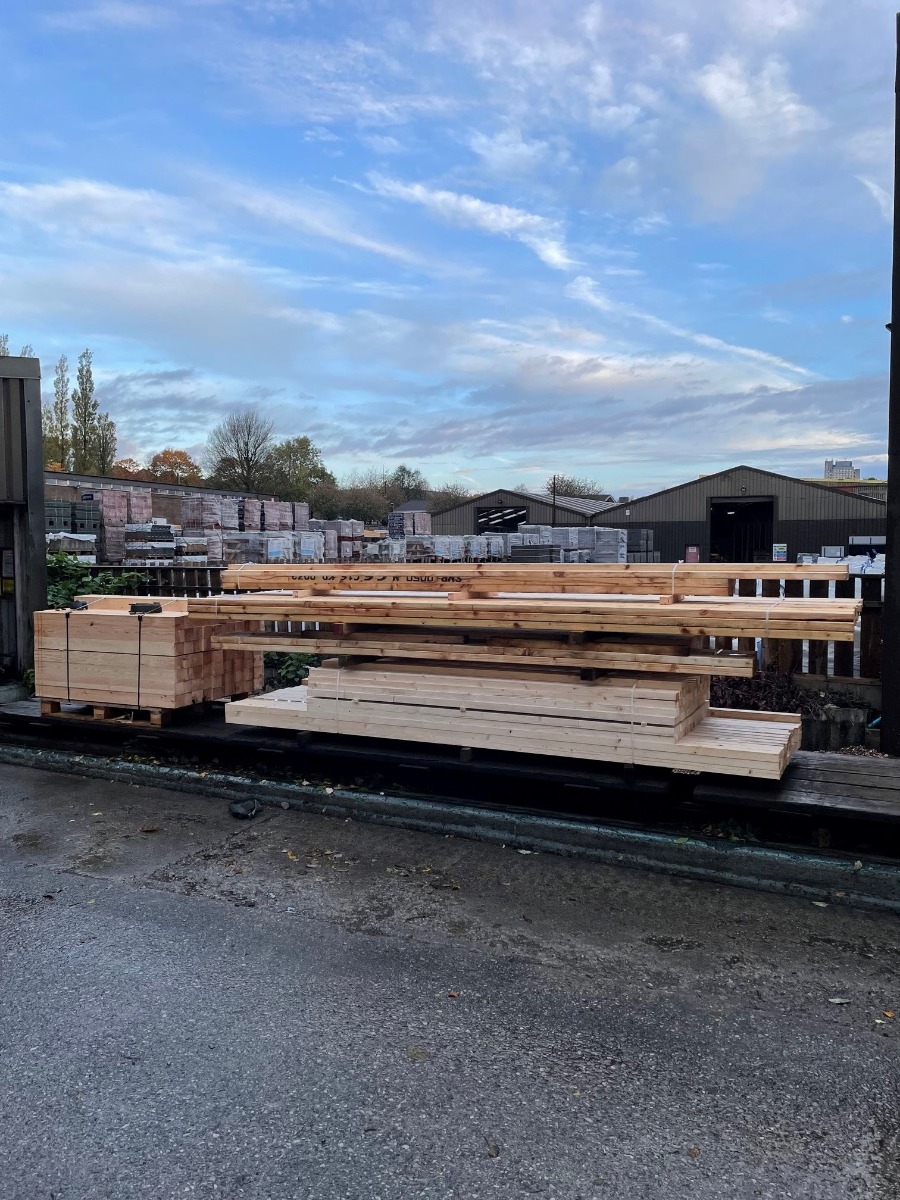
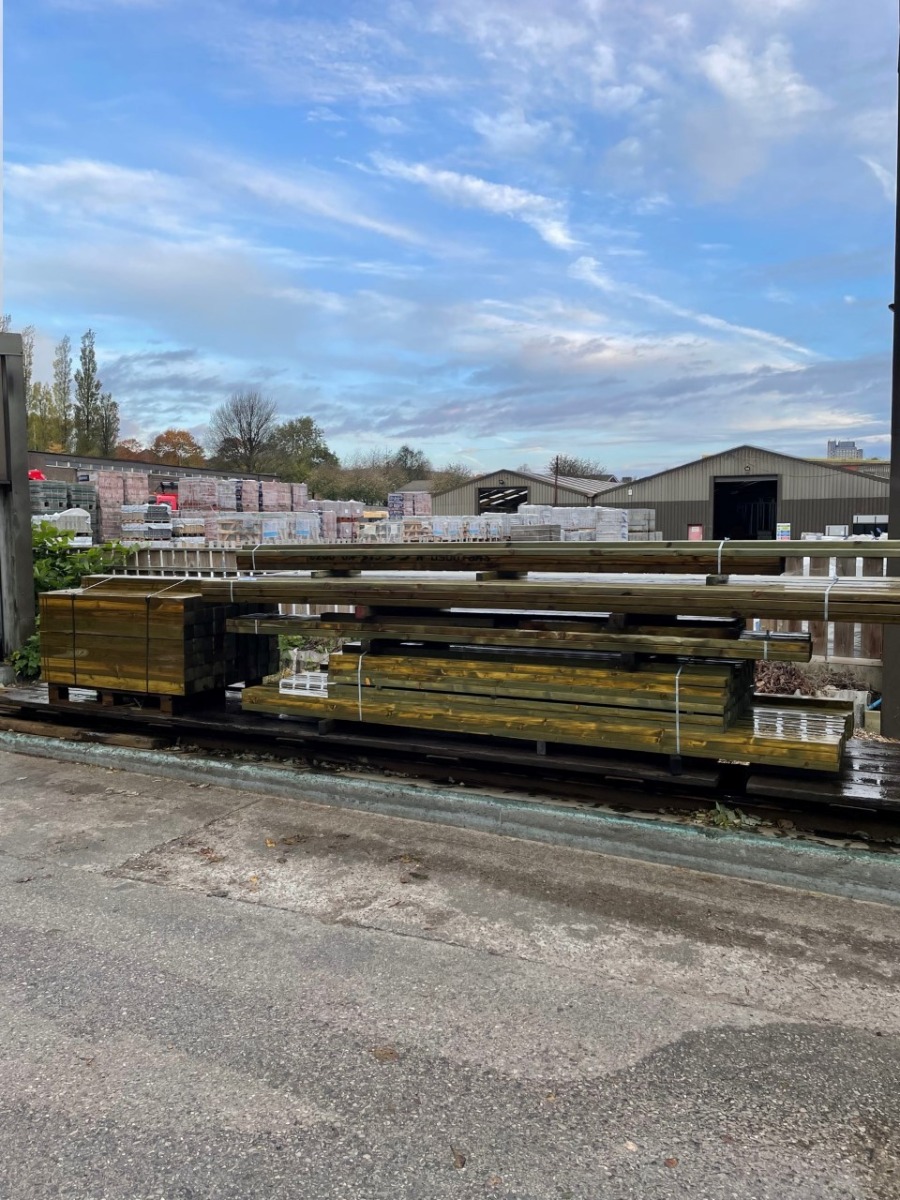
The images below show the difference between untreated timber and timber that has been pressure treated.
Untreated timber retains its natural colour and appearance, while treated timber takes on a distinctive green tint due to the preservative treatment applied during the process.
Over time, treated timber will weather naturally to a softer grey tone, but it will continue to provide long-lasting protection against outdoor conditions.
Structural Timber and Carcassing: When Treatment Matters
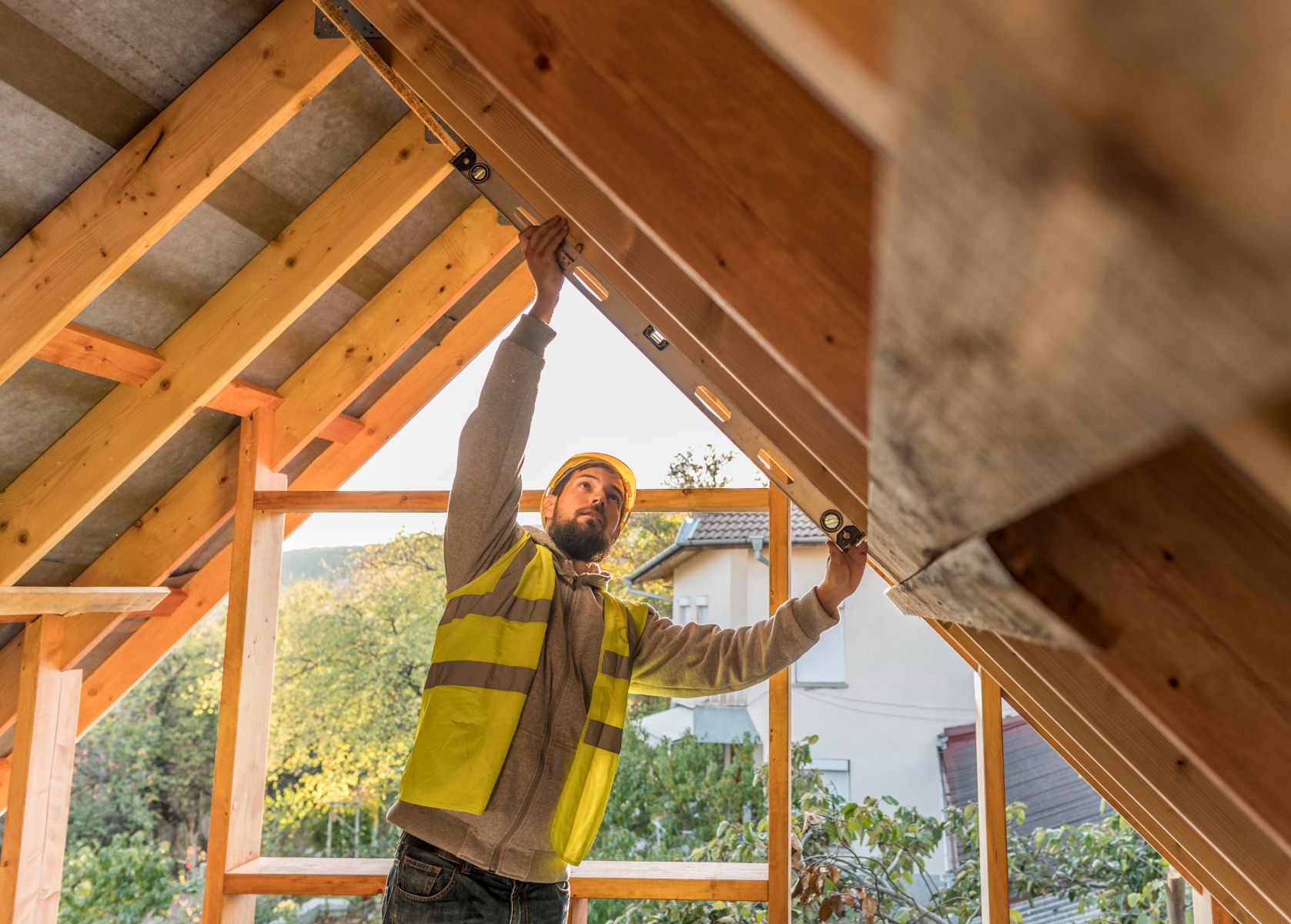
Structural carcassing timber is widely used for frameworks, stud walls, floor joists and roof structures. This timber is typically kiln-dried and strength graded to ensure consistent performance in construction.
Structural timber such as C16 and C24 can be supplied either treated or untreated, depending on where it will be used.
- Untreated carcassing timber is commonly used indoors for structural frameworks that remain dry.
- Treated carcassing timber is recommended when timber will be exposed to moisture or used in outdoor structures.
At George Hill Timber, carcassing timber is available in several options:
Each option is designed for different applications depending on the strength and durability required.
C16 vs C24 Timber: Key Differences
Both C16 and C24 are strength-graded structural timbers commonly used in the UK construction industry.
|
Feature |
C16 Timber |
C24 Timber |
|
Strength Grade |
Standard structural grade |
Higher structural grade |
|
Appearance |
More knots and natural defects |
Fewer knots and defects |
|
Cost |
More cost-effective |
Slightly more expensive |
|
Typical Uses |
Stud walls, rafters, joists, general framework |
Longer spans, heavier loads, structural frameworks |
|
Performance |
Suitable for most construction projects |
Ideal for demanding structural applications |
C16 timber is widely used across residential construction, while C24 timber is typically chosen where greater strength or longer spans are required.
Ungraded Carcassing Timber for Landscaping Projects
Ungraded carcassing timber is often used for non-structural outdoor and landscaping projects.
Typical uses include:
- Garden planters and raised beds
- Fencing structures
- Landscaping features
- Decorative garden builds
Ungraded timber provides a cost-effective and practical solution for outdoor projects. However, because it is not strength graded, it should not be used for load-bearing construction work.
Trade Tips: Choosing the Right Timber
When selecting timber for construction or landscaping projects, keep these practical tips in mind:
- Match the Timber to the Environment
Always use treated timber for outdoor applications where the wood will be exposed to moisture or ground contact.
- Consider Structural Requirements
Use C16 timber for general construction, but select C24 timber where higher strength or longer spans are required.
- Check Moisture Exposure
For damp environments or external framing, treated carcassing timber will provide greater durability.
- Use Ungraded Timber for Landscaping Projects
Ungraded carcassing timber is ideal for garden features and landscaping work where structural strength grading is not required.
- Choose Kiln-Dried Timber for Stability
Kiln-dried timber reduces moisture content and helps prevent warping, twisting or shrinkage once installed.
Sustainability and Responsible Timber Sourcing
Timber is one of the most sustainable building materials available. At George Hill Timber & Building Supplies, timber is sourced from FSC-certified forests, ensuring responsible forestry practices and sustainable material sourcing.
Using responsibly sourced timber helps support environmentally conscious construction while providing strong and reliable materials for building projects.
Understanding the difference between treated and untreated timber is essential when planning construction and landscaping projects. Treated timber provides the durability required for outdoor environments, while untreated timber is ideal for interior joinery and structural frameworks that remain dry.
Structural grades such as C16 and C24 carcassing timber help ensure frameworks remain strong and stable, while ungraded timber offers a practical solution for landscaping and garden builds.
Whether you need standard treated timber or custom-treated timber for a specific project, working with an experienced timber merchant ensures you get the right material for the job.