



Choosing the Right Sheet Materials for Interior Projects

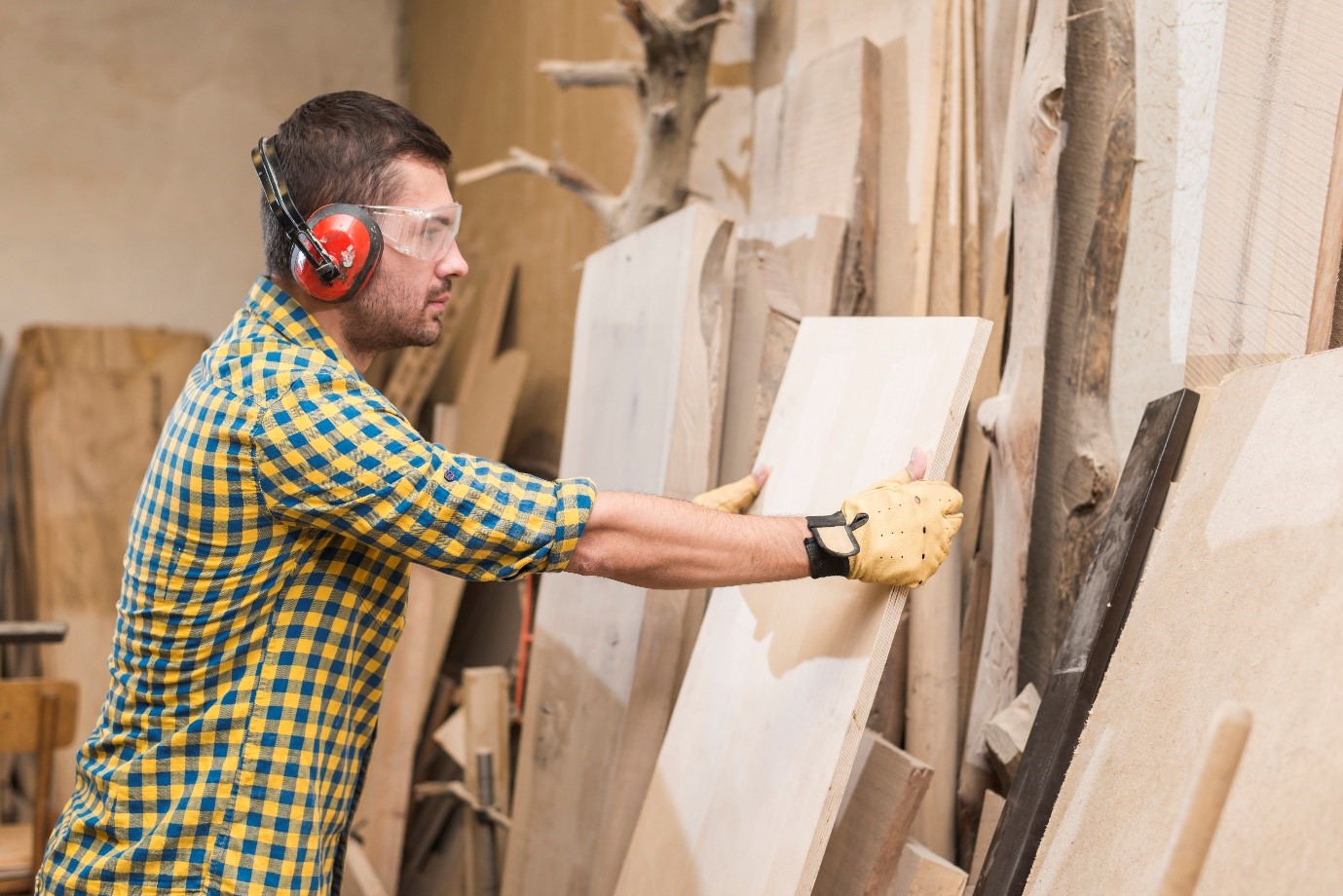
Selecting the right sheet material is a critical decision in any interior project. Whether you’re fitting bespoke furniture, installing wall panelling, creating cabinetry, or working on commercial interiors, the materials you choose will directly affect finish quality, durability, cost, and ease of installation.
For joiners, carpenters, and interior designers, understanding the differences between MDF, plywood, and veneered boards allows you to deliver reliable results while meeting both budget and design expectations. This guide explores how each material performs, where it works best, and how to choose the right option for your project.
Why Sheet Material Choice Matters in Interior Joinery
Interior joinery demands materials that are:
- Stable and consistent
- Easy to machine and finish
- Cost-effective for the application
- Suitable for decorative or structural use
Unlike solid timber, sheet materials provide uniformity and predictability, making them ideal for modern interior construction and design. The key is choosing the right product for the job, rather than a one-size-fits-all approach.

MDF: The Go-To for Consistency and Finish
Medium Density Fibreboard (MDF) is one of the most widely used sheet materials in interior projects, particularly where a smooth, painted finish is required.
Key Benefits
- Smooth, knot-free surface
- Easy to cut, machine, and route
- Excellent for painted finishes
- Cost-effective for large-scale use
Best Uses
- Wall panelling
- Built-in furniture
- Cabinet carcasses
- Skirting boards and mouldings
Cost vs Performance
MDF offers excellent value for money when aesthetics and consistency are priorities. While it is not suitable for damp environments unless moisture-resistant grades are used, it performs exceptionally well in dry internal spaces.
Plywood: Strength and Versatility
Plywood is an engineered board made from layered wood veneers, offering increased strength and stability compared to many other sheet materials.
Key Benefits
- High strength-to-weight ratio
- Better screw-holding ability than MDF
- Resistant to warping
- Suitable for load-bearing applications
Best Uses
- Flooring substrates
- Structural joinery
- Shelving and storage units
- Commercial interiors
Cost vs Performance
Plywood is generally more expensive than MDF, but its strength and durability often justify the cost, particularly where structural integrity or longevity is required.
Veneered Boards: Premium Appearance, Practical Core
Veneered boards combine the visual appeal of real timber with the stability of an engineered core, typically MDF or plywood.
Key Benefits
- Natural wood finish without solid timber cost
- Consistent appearance across large surfaces
- Easier to work with than solid wood
- Ideal for high-end interiors
Best Uses
- Cabinet doors
- Feature panels
- Furniture and shelving
- Retail and office interiors
Cost vs Performance
Veneered boards sit between MDF and solid timber in terms of price. They offer excellent value where a premium aesthetic is required without the movement or cost of solid wood.
Comparing Sheet Materials at a Glance
|
Feature |
MDF |
Plywood |
Veneered Boards |
|
Surface Finish |
Very smooth |
Visible grain layers |
Natural wood veneer |
|
Strength |
Moderate |
High |
Depends on core |
|
Workability |
Excellent |
Very good |
Very good |
|
Cost |
Low |
Medium |
Medium–High |
|
Best For |
Painted interiors |
Structural joinery |
Decorative interiors |
Choosing the Right Material for Your Project
When selecting sheet materials, consider:
- Finish required – Painted or natural wood?
- Structural demands – Load-bearing or decorative?
- Budget constraints – Cost per sheet vs lifespan
- Environment – Dry interior or higher humidity area?
Matching the material to the application ensures a better finish, faster installation, and fewer issues long-term.
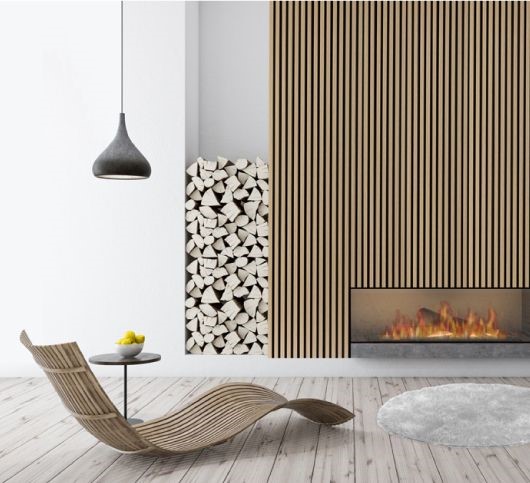
Why Trade Professionals Use Specialist Timber Merchants
Working with a professional timber merchant ensures access to:
- Consistent quality materials
- A wide range of sheet sizes and finishes
- Products suited to trade use
- Expert advice on material selection
George Hill Timber & Building Supplies stocks a comprehensive range of MDF, veneered MDF, and plywood, suitable for both domestic and commercial interior projects. With reliable availability and trade-focused service, sourcing the right materials becomes quicker and more efficient.
Choosing the right sheet material is about balancing performance, appearance, and cost. MDF delivers consistency and value, plywood offers strength and versatility, while veneered boards provide a premium finish without the drawbacks of solid timber.
For joiners, carpenters, and interior designers, understanding these differences ensures every interior project meets both functional and aesthetic expectations, delivering professional results every time.